Star Citizen Ship Loadout Guide: Optimizing Your Fleet for Every Role
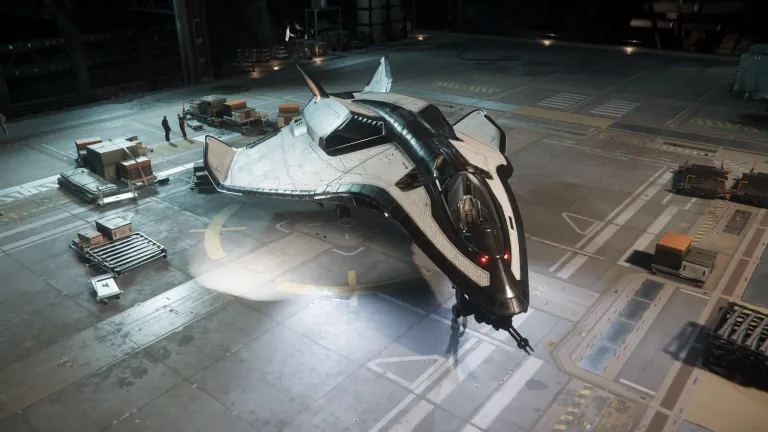
Complete Star Citizen ship loadout guide covering weapons, shields, power plants, and components. Optimize your ships for combat, mining, trading, and…
Ship loadouts in Star Citizen can make the difference between dominating the battlefield or limping back to port. Whether you're outfitting a fighter for combat, a hauler for trading, or a prospector for mining, understanding components and optimization is crucial. Here's your complete guide to building the perfect loadout for every role.
Understanding Ship Components
Every ship in Star Citizen uses modular components that can be upgraded and customized:
Core Components:
- Power Plant: Generates power for all ship systems
- Coolers: Manage heat from weapons and components
- Shield Generators: Provide defensive protection
- Quantum Drive: Enables long-distance travel
Weapons and Turrets:
- Energy Weapons: Laser repeaters, cannons, beam weapons
- Ballistic Weapons: Gatling guns, cannons, mass drivers
- Missile Racks: Various missile types and sizes
- Torpedoes: Heavy ordnance for capital ships
Utility Components:
- Radar/Scanners: Detection and tracking systems
- Avionics: Flight control and targeting systems
- Thrusters: Maneuvering and main propulsion
- Cargo Systems: Storage and handling
Use SCORG's ship loadout system to save and share your custom builds with your organization.
Combat Ship Loadouts
Optimize your fighters for maximum lethality:
Light Fighter Build (Arrow, Gladius)
Weapons:
- 3x Laser Repeaters (Attrition or Panther series)
- High rate of fire for sustained DPS
- Energy weapons = no ammo concerns
Components:
- Military-grade power plant (highest output)
- Dual coolers for sustained fire
- Competition-grade shields (fast regen)
- Stealth components if running hit-and-run
Strategy:
- Focus on sustained damage output
- Energy weapons allow extended engagements
- Fast shield regen for quick recovery
- Maximize maneuverability with lightweight components
Heavy Fighter Build (Vanguard, Hurricane)
Weapons:
- Mix of ballistic and energy weapons
- Size 5 ballistic cannon on nose (Vanguard)
- Energy repeaters for sustained fire
- Missile racks for alpha strikes
Components:
- Industrial power plant (balance of output and efficiency)
- Military-grade coolers
- Military shields (high capacity)
- Long-range quantum drive
Strategy:
- Ballistics for burst damage
- Energy weapons for sustained pressure
- High shield capacity for tanking
- Long-range capability for extended ops
Bomber Build (Eclipse, Retaliator)
Weapons:
- Size 9 torpedoes for capital ships
- Defensive turrets with energy repeaters
- Countermeasure systems
Components:
- Stealth power plant and coolers
- Stealth shields (low signature)
- Fast quantum drive for hit-and-run
- Upgraded avionics for targeting
Strategy:
- Stealth approach to target
- Launch torpedoes from range
- Escape before detection
- Minimal heat signature
Mining Ship Loadouts
Optimize for efficiency and profit:
Solo Mining (Prospector)
Mining Equipment:
- Lancet mining head for precision
- Or Hofstede for power (quantanium)
- Surge module for unstable rocks
- Optimized consumables (catalyst, etc.)
Components:
- Industrial power plant (efficiency)
- Standard coolers (mining generates heat)
- Civilian shields (basic protection)
- Fast quantum drive (maximize runs)
Strategy:
- Balance power and precision
- Carry consumables for difficult rocks
- Prioritize quantum speed for efficiency
- Shields just for basic protection
Multi-Crew Mining (MOLE)
Mining Equipment:
- 3x Arbor mining heads (balanced)
- Or mix of Lancet and Hofstede
- Coordinated consumable use
- Upgraded cargo capacity
Components:
- Industrial power plant
- Enhanced coolers (3 heads = lots of heat)
- Civilian shields
- Long-range quantum drive
Strategy:
- Coordinate head usage
- One precision, two power heads
- Efficient rock breaking
- Maximize cargo value
Trading and Hauling Loadouts
Optimize for cargo capacity and safety:
Small Hauler (Freelancer, Cutlass)
Weapons:
- Defensive weapons only
- Energy repeaters for no ammo cost
- Missile racks for deterrence
Components:
- Industrial power plant (efficiency)
- Standard coolers
- Military shields (protection during runs)
- Fast quantum drive (time is money)
Strategy:
- Avoid combat when possible
- Strong shields for escape
- Fast quantum for quick runs
- Defensive weapons only
Large Hauler (Caterpillar, C2 Hercules)
Weapons:
- Turret coverage for defense
- Energy weapons preferred
- Point defense for missiles
Components:
- Industrial power plant
- Standard coolers
- Military-grade shields (high capacity)
- Fastest available quantum drive
Strategy:
- Rely on shields and speed
- Avoid engagement
- Escort recommended for valuable cargo
- Maximize quantum efficiency
Exploration Ship Loadouts
Optimize for range and versatility:
Long-Range Explorer (Carrack, 600i)
Weapons:
- Defensive turrets
- Energy weapons for sustainability
- Missile deterrence
Components:
- Industrial power plant (efficiency)
- Enhanced coolers
- Military shields (unknown threats)
- Long-range quantum drive (essential)
- Upgraded scanners and radar
Strategy:
- Self-sufficiency for extended missions
- Strong shields for unknown encounters
- Maximum scanner range
- Fuel efficiency priority
Scout Ship (315p, Terrapin)
Weapons:
- Light defensive weapons
- Focus on escape over combat
Components:
- Stealth components (avoid detection)
- Competition shields (fast regen)
- Fast quantum drive
- Military-grade scanners
- Enhanced radar systems
Strategy:
- Detect and avoid threats
- Stealth approach to targets
- Quick escape capability
- Information gathering focus
Component Quality Tiers
Understanding component grades:
Civilian (Grade D):
- Lowest performance
- Cheapest option
- Basic functionality
- Good for non-combat roles
Industrial (Grade C):
- Balanced performance
- Good efficiency
- Moderate cost
- Best for hauling/mining
Competition (Grade B):
- High performance
- Lower durability
- Fast regeneration/output
- Racing and hit-and-run
Military (Grade A):
- Highest durability
- Strong performance
- Expensive
- Combat and dangerous roles
Stealth (Grade A):
- Low signatures
- Reduced detection
- Specialized use
- Reconnaissance and bombing
Power Management
Balance your power triangle:
Power Allocation:
- Weapons: Increases weapon damage and energy regeneration
- Shields: Faster shield regeneration
- Engines: Increased speed and maneuverability
Combat Settings:
- Balanced: 50/50/50 for general combat
- Aggressive: 75 weapons, 25 shields, 50 engines
- Defensive: 25 weapons, 75 shields, 50 engines
- Pursuit: 25 weapons, 25 shields, 100 engines
Non-Combat Settings:
- Travel: Minimal weapons, moderate shields, full engines
- Mining: Minimal weapons, minimal shields, moderate engines
- Stealth: All systems minimal for low signature
Weapon Loadout Strategies
Choose weapons that complement each other:
All Energy:
- Unlimited ammunition
- Sustained engagements
- No resupply needed
- Lower alpha damage
All Ballistic:
- High alpha damage
- Limited ammunition
- Requires resupply
- Punches through shields
Mixed Loadout:
- Ballistics for burst damage
- Energy for sustained fire
- Tactical flexibility
- Best of both worlds
Weapon Grouping:
- Group 1: Primary weapons (most used)
- Group 2: Secondary weapons (different range/role)
- Group 3: Missiles (alpha strike)
- Stagger fire for sustained DPS
Shield Optimization
Maximize your defensive capabilities:
Shield Faces:
- Front: Highest priority for combat
- Rear: Important for retreat
- Sides: Balanced coverage
- Redistribute in combat as needed
Shield Types:
- FR-66 (Competition): Fast regen, lower capacity
- Sukoran (Military): High capacity, slower regen
- Stealth shields: Low signature, moderate stats
Shield Management:
- Raise shields before engagement
- Redistribute to facing threats
- Drop shields for stealth approach
- Monitor shield health constantly
Cooling and Heat Management
Prevent overheating:
Heat Sources:
- Weapons fire (especially energy)
- Quantum travel
- Mining operations
- Shield impacts
Cooling Solutions:
- Dual coolers for sustained fire
- Military-grade for combat ships
- Industrial for efficiency
- Stealth coolers for low signature
Heat Management:
- Burst fire to manage heat
- Allow cooling between engagements
- Upgrade coolers for sustained operations
- Monitor heat levels during mining
Loadout Testing and Refinement
Optimize through practice:
Testing Process:
- Build initial loadout in SCORG
- Test in Arena Commander
- Evaluate performance metrics
- Adjust components and weapons
- Test in live environment
- Refine based on results
Performance Metrics:
- Time to kill (combat)
- Sustained DPS
- Heat management
- Shield regeneration
- Quantum travel time
- Fuel efficiency
Iteration:
- Start with recommended builds
- Adjust for personal playstyle
- Test different weapon combinations
- Find optimal component balance
- Share successful builds with org
Organization Loadout Standards
Coordinate fleet builds:
Standard Loadouts:
- Define org-standard builds for common ships
- Ensure compatibility in group operations
- Share loadouts through SCORG
- Train members on standard configurations
Role-Specific Builds:
- Combat: Maximize DPS and survivability
- Support: Focus on utility and assistance
- Logistics: Efficiency and cargo capacity
- Reconnaissance: Stealth and sensors
Loadout Library:
- Use SCORG to maintain loadout database
- Document successful configurations
- Share builds between members
- Update as game balance changes
Budget Considerations
Optimize within your means:
Starter Budget:
- Keep stock components initially
- Upgrade weapons first (biggest impact)
- Add better shields second
- Save for power plant and coolers
Mid-Range Budget:
- Industrial-grade core components
- Quality weapons (Grade B or A)
- Military shields
- Fast quantum drive
High-End Budget:
- Military-grade everything
- Best-in-slot weapons
- Specialized components
- Multiple loadout sets
Cost-Effective Upgrades:
- Weapons: Highest impact per credit
- Shields: Second priority
- Power Plant: Third priority
- Coolers: Fourth priority
- Quantum Drive: Situational
Conclusion
Ship loadout optimization is an ongoing process that combines game knowledge, personal preference, and organizational needs. By understanding components, testing configurations, and sharing successful builds through SCORG's loadout system, you and your organization can field optimized ships for every role in the verse.
Remember: the best loadout is the one that matches your playstyle and mission requirements. Experiment, iterate, and share your discoveries with your org.