Star Citizen 4.7: What Organizations Need to Know About the Latest Update
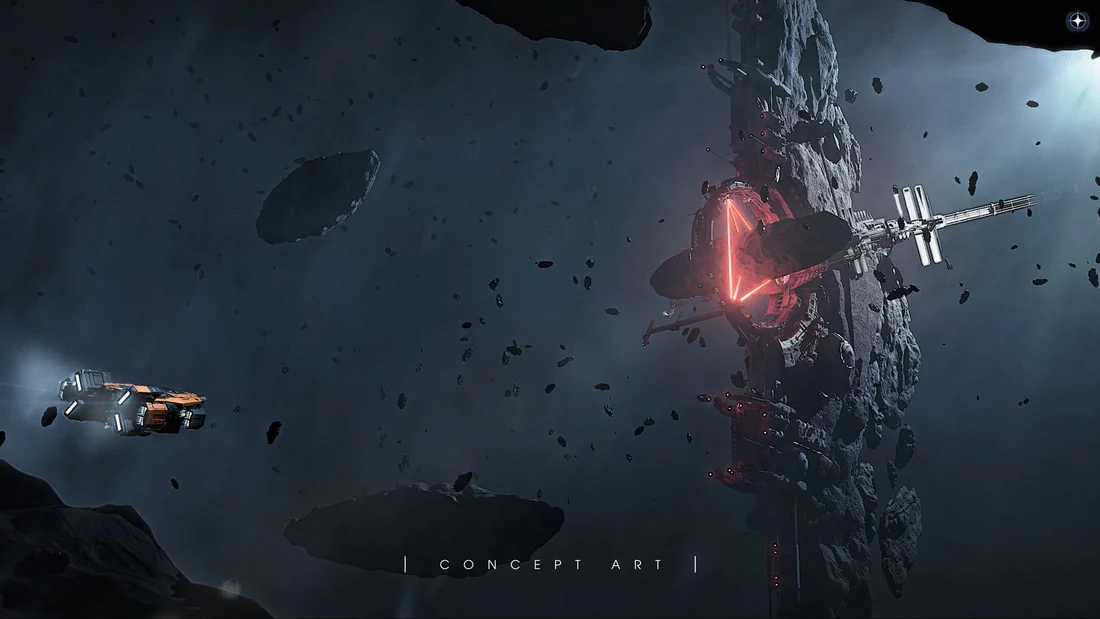
Complete guide to Star Citizen 4.7 for organizations. Learn about new features, economy changes, ship updates, and strategies to keep your org competitive.
Star Citizen 4.7 has arrived, bringing sweeping changes that will reshape how organizations operate in the verse. From economy rebalances to new gameplay loops and ship updates, this patch demands strategic adaptation. Here's everything your organization needs to know to stay ahead.
Major Economy Overhaul
The 4.7 economy rebalance is the most significant change affecting organizations:
Cargo Trading Changes:
- Commodity prices now fluctuate more dynamically based on supply and demand
- Trade routes require more strategic planning and market analysis
- Bulk trading operations see reduced profit margins but increased volume potential
- New trade commodities available in previously underutilized systems
Impact on Your Org: Organizations running regular trading convoys need to adapt their routes and strategies. The days of guaranteed profit runs are over - successful trading now requires real-time market intelligence and flexible planning. Use SCORG's economy tracking to monitor price trends and coordinate with allied organizations for market insights.
Mining and Refining Updates:
- Refinery times adjusted for better balance
- New ore types discovered in previously explored systems
- Quantanium stability improved, reducing catastrophic losses
- Refinery queue management now more critical
Org Strategy: Mining operations can now run more efficiently with improved stability, but the refinery changes mean you'll need dedicated logistics coordination. Assign a mining director to manage refinery queues and optimize processing schedules.
New Gameplay Loops for Organizations
4.7 introduces several features that create new opportunities for coordinated play:
Salvage Expansion:
- New salvageable wrecks scattered across multiple systems
- Improved component recovery mechanics
- Salvage contracts now available from major corporations
- Multi-crew salvage operations more rewarding
Org Opportunities: Salvage operations are perfect for mixed-role gameplay. Combine combat ships for security, salvage vessels for recovery, and haulers for transport. The new contracts provide steady income for organizations willing to invest in salvage capabilities.
Bounty Hunting Improvements:
- New high-value targets in lawless systems
- Group bounty sharing mechanics refined
- Reputation system affects bounty availability
- Elite bounties require coordinated fleet operations
Tactical Considerations: The new elite bounties are designed for organization-level operations. Solo players will struggle with these targets, giving well-coordinated orgs a significant advantage. Plan operations with proper ship composition: heavy fighters for engagement, light fighters for pursuit, and support ships for repairs.
Exploration Enhancements:
- New jump points discovered in Pyro and surrounding systems
- Scanning mechanics improved for better data gathering
- Exploration data now tradeable to other players
- Uncharted locations offer unique rewards
Ship Updates and Fleet Implications
Several ships received significant updates in 4.7:
Combat Ship Rebalance:
- Vanguard series: Improved armor and shield regeneration
- Ares Ion/Inferno: Weapon adjustments for better balance
- Gladius: Enhanced maneuverability
- Constellation series: Turret coverage improvements
Fleet Composition Impact: These changes shift the meta for fleet engagements. Vanguards are now more viable as frontline heavy fighters, while the Gladius improvements make it an even better interceptor. Review your organization's fleet doctrine and adjust ship assignments accordingly.
Industrial Ship Updates:
- MISC Hull series: Cargo loading times reduced
- Crusader Starlifter: Improved handling when fully loaded
- ARGO RAFT: Container management streamlined
- Drake Caterpillar: Module system foundation implemented
Economic Operations: The industrial ship improvements mean your trading and mining operations can run more efficiently. The Hull series changes are particularly significant for large-scale cargo operations - loading times were a major bottleneck that's now resolved.
Server Meshing Foundation
While full server meshing isn't here yet, 4.7 lays critical groundwork:
What This Means:
- Improved server stability during large fleet operations
- Better performance in high-population areas
- Foundation for future territory control mechanics
- Reduced desync in multi-crew scenarios
Org Benefits: Large-scale operations are now more viable. Organizations can plan bigger fleet engagements and events without the crippling performance issues that plagued previous patches. This is the time to test your organization's coordination at scale.
New Mission Types for Organizations
4.7 introduces organization-focused mission content:
Org Contracts:
- Multi-stage missions requiring 5+ players
- Objectives designed for role diversity
- Significantly higher payouts than solo missions
- Reputation rewards for successful completion
Mission Categories:
- Siege Operations: Attack or defend installations
- Convoy Escort: Protect high-value cargo shipments
- Reconnaissance: Multi-system intelligence gathering
- Extraction: Rescue operations in hostile territory
Planning Considerations: These missions are perfect for scheduled org events. They provide structure, objectives, and rewards while encouraging diverse ship compositions. Use SCORG's event system to plan operations around these contracts and ensure proper role coverage.
Territory and Base Building Hints
While not fully implemented, 4.7 includes hints of future territory mechanics:
What We're Seeing:
- Persistent base locations in certain systems
- Resource nodes tied to specific territories
- Preliminary claim mechanics in lawless space
- Foundation for org-owned infrastructure
Strategic Positioning: Forward-thinking organizations should start identifying strategic locations for future base operations. Areas with rich resources, strategic jump point access, or defensive advantages will be valuable when full territory mechanics arrive.
Adapting Your Organization's Strategy
Here's how to adjust your org operations for 4.7:
Immediate Actions:
- Audit Your Fleet: Review ship compositions based on new balance changes
- Update Trade Routes: Test new economy and adjust trading operations
- Train on New Mechanics: Run practice sessions for salvage and new mission types
- Revise Doctrines: Update combat and economic operation procedures
Short-Term Planning (1-2 Weeks):
- Test Org Contracts: Run several org missions to evaluate difficulty and rewards
- Establish Market Intelligence: Track economy trends in your operating systems
- Optimize Refinery Operations: Develop efficient mining-to-sale pipelines
- Plan Large-Scale Events: Take advantage of improved server stability
Long-Term Strategy (1-3 Months):
- Territory Scouting: Identify potential base locations for future mechanics
- Fleet Expansion: Acquire ships that fill gaps in new meta
- Alliance Coordination: Partner with orgs for combined operations
- Member Training: Develop expertise in new gameplay loops
Common Pitfalls to Avoid
Learn from early adopters' mistakes:
Don't:
- Rush into trading without researching new economy
- Ignore the new org contracts - they're highly profitable
- Stick to old fleet compositions without testing changes
- Overlook salvage operations as a revenue stream
- Neglect server stability improvements for large events
Do:
- Experiment with different strategies and adapt
- Communicate changes clearly to your members
- Document what works and share with allies
- Take advantage of improved performance for big operations
- Invest time in learning new mechanics
Tools and Resources for Success
Leverage SCORG's platform to manage 4.7 changes:
Fleet Management:
- Update ship database with new stats and capabilities
- Track member ship ownership for operation planning
- Document optimal loadouts for different mission types
Economy Tracking:
- Monitor commodity prices across systems
- Share market intelligence with members
- Coordinate trading operations for maximum efficiency
Event Planning:
- Schedule org contract operations
- Plan training sessions for new mechanics
- Coordinate with allies for large-scale events
Communication:
- Keep members informed of strategy changes
- Share patch notes and analysis
- Gather feedback on new content
Looking Ahead
4.7 is a foundation patch that sets the stage for major features coming in future updates:
What's Next:
- Full server meshing implementation
- Complete base building and territory control
- Expanded org contract system
- Engineering gameplay for multi-crew ships
- Advanced reputation and faction systems
Preparing Your Org: Organizations that adapt quickly to 4.7's changes will be best positioned for future content. Focus on building flexible strategies, training members on new mechanics, and establishing strong economic foundations.
Conclusion
Star Citizen 4.7 represents a significant evolution in gameplay that rewards organized, coordinated play more than ever before. The economy changes demand strategic thinking, new mission types encourage teamwork, and improved server stability enables ambitious operations.
Organizations that embrace these changes, adapt their strategies, and leverage tools like SCORG for coordination will thrive in this new era. The verse is evolving - make sure your organization evolves with it.
The future belongs to organizations that can adapt, coordinate, and execute at scale. Is yours ready?