Salvage Operations in Star Citizen: Organization Guide to Profit
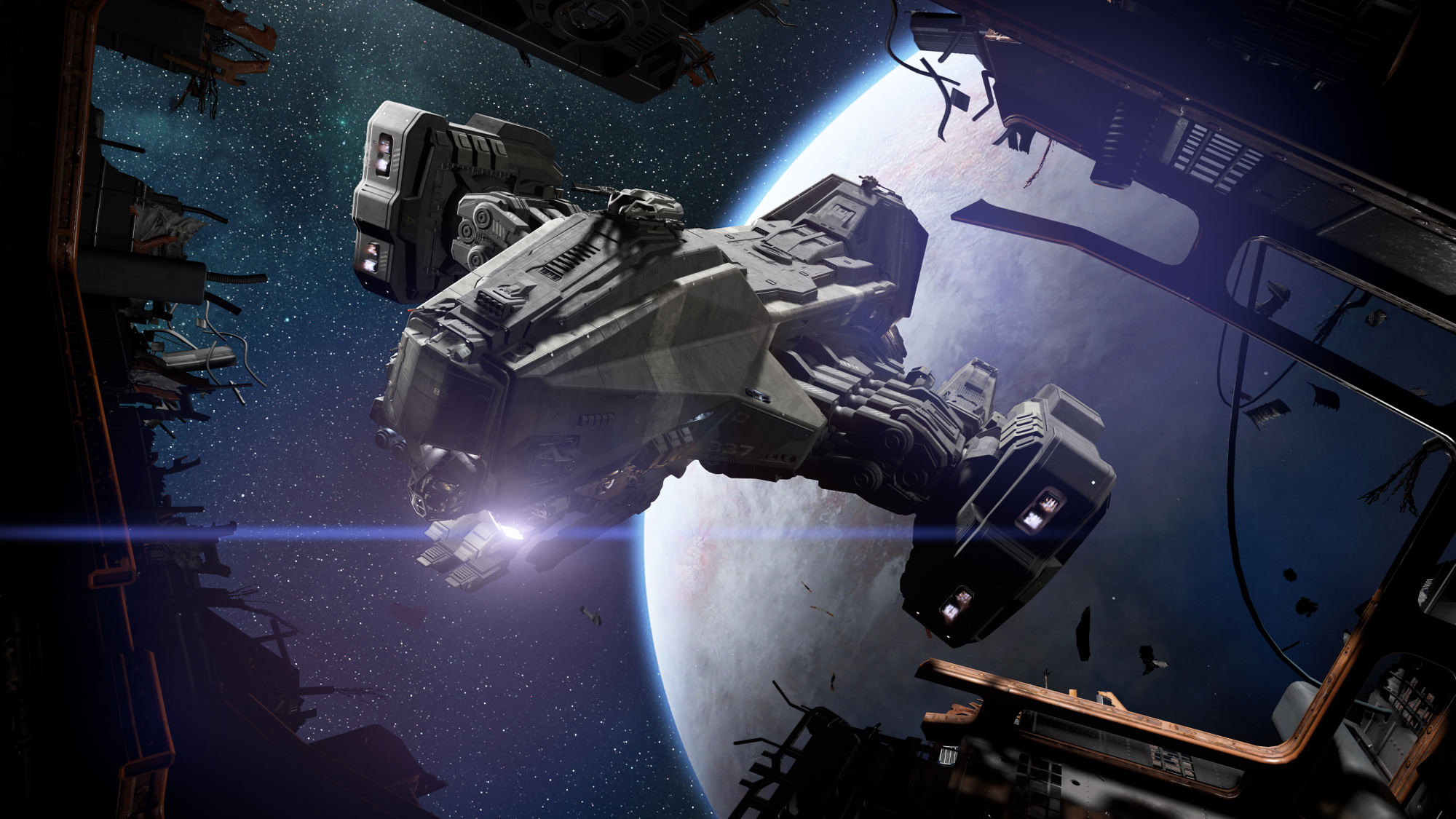
Complete Star Citizen salvage guide for organizations. Master salvage ships, find profitable wrecks, coordinate group operations, and maximize material profits.
Salvage gameplay in Star Citizen offers unique opportunities for profit and teamwork. From solo Vulture operations to massive Reclaimer fleet salvage, understanding mechanics, ship capabilities, and coordination transforms wreckage into wealth. Here's your complete guide to profitable salvage operations.
Understanding Salvage Mechanics
Salvage involves reclaiming materials from wrecks:
Salvage Process:
- Locate Wreck: Find derelict ships or destroyed vessels
- Scan: Identify valuable materials and components
- Scrape: Remove hull materials with salvage beams
- Extract: Collect components and cargo
- Transport: Haul materials to selling locations
- Sell: Convert materials to credits
Material Types:
- Construction Materials: RMC (Recycled Material Composite)
- Ship Components: Functional parts for resale
- Cargo: Goods from wreck's hold
- Scrap Metal: Various metal types
- Rare Materials: High-value specialized components
Salvage Rights:
- Legal salvage: Derelict wrecks, abandoned ships
- Gray area: Battle aftermath, questionable ownership
- Illegal salvage: Active crime scenes, protected wrecks
- Reputation impact: Legal vs. illegal salvage
Use SCORG's economy system to track material prices and coordinate salvage operations with your organization.
Salvage Ships Overview
Choose the right ship for your operation:
Solo Salvage Ships
Vulture:
- Cargo: 12 SCU
- Salvage Heads: 1 (gimbaled)
- Crew: 1
- Best For: Solo salvage, small wrecks
- Profit Potential: 50,000-150,000 aUEC per run
- Strengths: Affordable, maneuverable, efficient
- Weaknesses: Limited cargo, single beam
Capabilities:
- Scraping beam for hull materials
- Component extraction
- Small wreck specialization
- Quick turnaround operations
Multi-Crew Salvage Ships
Reclaimer:
- Cargo: 180 SCU
- Salvage Heads: 2 (large gimbaled)
- Crew: 1-5
- Best For: Large wrecks, org operations
- Profit Potential: 500,000-1,500,000 aUEC per run
- Strengths: Massive capacity, powerful beams, onboard processing
- Weaknesses: Slow, requires crew, expensive
Capabilities:
- Twin heavy salvage beams
- Claw arm for component extraction
- Onboard material processing
- Drone deployment (future)
- Large wreck capability
Reclaimer Crew Roles:
- Pilot: Navigate and position ship
- Salvage Operator 1: Port beam
- Salvage Operator 2: Starboard beam
- Claw Operator: Component extraction
- Cargo Manager: Material organization
Support Ships
Haulers (Caterpillar, C2):
- Transport salvaged materials
- Extend operation range
- Allow salvage ships to continue working
- Bulk material transport
Escort Ships:
- Protect salvage operations
- Deter pirates
- Secure wreck sites
- Combat support
Profitable Salvage Locations
Where to find valuable wrecks:
Static Wreck Sites
Crusader Moons:
- Permanent wreck locations
- Consistent material availability
- Safe, legal salvage
- Good for beginners
- Lower profits but reliable
Hurston Moons:
- Industrial wreck sites
- Higher material density
- Moderate risk
- Better profits
- Some illegal sites
ArcCorp Area:
- Urban wreckage
- Varied wreck types
- Legal and illegal sites
- Medium profits
- Security presence
Dynamic Wreck Sites
Battle Aftermath:
- Player combat results
- NPC battle sites
- High-value fresh wrecks
- Time-sensitive (despawn)
- Competition from other salvagers
Mission Wrecks:
- Generated by missions
- Guaranteed spawns
- Varied difficulty
- Mission-specific materials
- Some protected by NPCs
Event Wrecks:
- Special events (Jumptown, etc.)
- High-value targets
- Extreme competition
- PvP risk
- Massive profit potential
Pyro System (Future)
Lawless Salvage:
- No legal restrictions
- Dangerous environment
- High-value wrecks
- PvP constant threat
- Extreme profits for survivors
Solo Salvage Strategies
Maximize profits alone:
Vulture Operations
Wreck Selection:
- Small to medium ships
- Single-seater fighters
- Light freighters
- Damaged but not destroyed
- High RMC yield
Optimal Process:
- Scan wreck for materials
- Position for beam access
- Scrape hull systematically
- Extract valuable components
- Fill cargo with RMC
- Transport to selling location
Time Efficiency:
- 15-20 minutes per wreck
- 30-45 minutes total per run
- 2-3 runs per hour possible
- 100,000-300,000 aUEC per hour
Best Practices:
- Start with outer hull
- Work systematically
- Monitor cargo capacity
- Prioritize high-value materials
- Leave low-value scrap
Component Extraction
Valuable Components:
- Power plants
- Shield generators
- Weapons
- Quantum drives
- Avionics
Extraction Technique:
- Scan for intact components
- Use precision beam work
- Avoid destroying components
- Extract carefully
- Sell at component dealers
Profit Margins:
- Components: 10,000-50,000 aUEC each
- RMC: 5-15 aUEC per unit
- Prioritize components when possible
Multi-Crew Salvage Operations
Coordinate for massive profits:
Reclaimer Operations (3-5 Crew)
Crew Coordination:
- Pilot positions ship optimally
- Both beam operators work simultaneously
- Claw operator extracts components
- Cargo manager organizes materials
- Voice communication essential
Large Wreck Strategy:
- Scan entire wreck
- Identify high-value sections
- Position for dual-beam access
- Coordinate beam work
- Extract components with claw
- Process materials onboard
- Fill 180 SCU cargo
- Transport to selling location
Profit Potential:
- 180 SCU of RMC = ~1,000,000 aUEC
- Plus components = 200,000-500,000 aUEC
- Total: 1,200,000-1,500,000 aUEC per run
- Split among crew: 240,000-300,000 aUEC each
- 1-2 hours per operation
Fleet Salvage Operations (Org-Level)
Fleet Composition:
- 2-3 Reclaimers or Vultures
- 1-2 Haulers (Caterpillar, C2)
- 1-2 Combat escorts
- 1 Scout ship
Roles:
- Salvagers: Extract materials from wrecks
- Haulers: Transport materials to selling location
- Escorts: Protect operation from pirates
- Scout: Locate profitable wreck sites
Process:
- Scout finds wreck field or battle site
- Escorts secure perimeter
- Salvagers begin extraction
- Haulers collect materials from salvagers
- Haulers transport to selling location
- Salvagers continue working
- Rotate haulers for continuous operation
- Profits split or individual
Optimization:
- Use SCORG to coordinate locations
- Share wreck scanner data
- Efficient material transfer
- Continuous operation
- Bulk selling for better prices
Profit Potential:
- 3 Reclaimers × 1,000,000 aUEC = 3,000,000 aUEC
- Hauler efficiency doubles output
- 5,000,000+ aUEC per major operation
- Split among participants or org treasury
Material Types and Values
Know what to salvage:
High-Value Materials
RMC (Recycled Material Composite):
- Value: 10-15 aUEC per unit
- Source: Ship hulls
- Volume: High availability
- Best For: Bulk salvage
- Primary profit source
Titanium:
- Value: 15-20 aUEC per unit
- Source: Heavy ship hulls
- Volume: Medium availability
- Best For: Capital ship salvage
Aluminum:
- Value: 5-8 aUEC per unit
- Source: Light ship hulls
- Volume: High availability
- Best For: Fighter salvage
Components
Power Plants:
- Value: 10,000-50,000 aUEC
- Condition: Must be intact
- Best From: Disabled ships
- Resale: Component dealers
Weapons:
- Value: 5,000-30,000 aUEC
- Condition: Functional preferred
- Best From: Combat wrecks
- Resale: Weapon shops
Quantum Drives:
- Value: 15,000-60,000 aUEC
- Condition: Intact required
- Best From: Larger ships
- Resale: Component dealers
Cargo
Wreck Cargo:
- Value: Varies by commodity
- Source: Cargo holds
- Volume: Depends on wreck
- Best For: Trader wrecks
- Bonus profit
Salvage Techniques
Master efficient extraction:
Beam Control
Power Management:
- Start low, increase gradually
- Avoid overheating
- Maintain optimal range
- Coordinate dual beams (Reclaimer)
Scraping Patterns:
- Systematic approach
- Section by section
- Avoid missed areas
- Maximize material yield
- Minimize time waste
Component Preservation:
- Low power near components
- Careful extraction
- Avoid damage
- Maximize resale value
Cargo Management
Prioritization:
- Components first (highest value)
- High-value materials second
- Fill remaining with RMC
- Leave low-value scrap
Organization:
- Separate components from materials
- Track cargo value
- Optimize space usage
- Plan selling route
Selling Salvaged Materials
Maximize profits from sales:
Selling Locations
RMC and Materials:
- Refineries (best prices)
- Industrial zones
- Trading hubs
- Bulk buyers
Components:
- Component dealers
- Ship shops
- Player marketplace
- Org members
Price Optimization
Market Research:
- Check prices before selling
- Compare locations
- Track price trends
- Sell at peaks
Bulk Selling:
- Larger quantities = better prices
- Coordinate org sales
- Negotiate bulk deals
- Maximize per-unit value
Risk Management
Protect your salvage profits:
Pirate Threats:
- Salvage sites attract pirates
- Use escorts for valuable operations
- Stay alert to scanner contacts
- Have escape routes
- Don't salvage alone in dangerous areas
Legal Issues:
- Verify salvage rights
- Avoid illegal wrecks
- Check ownership status
- Reputation consequences
- Crime stat risk
Ship Loss:
- Don't overinvest in risky operations
- Insurance covers ship, not cargo
- Factor potential losses
- Keep emergency funds
Competition:
- Other salvagers target same wrecks
- First come, first served
- Coordinate with org
- Secure valuable sites quickly
Organization Salvage Economy
Build integrated salvage operations:
Salvage Division Structure:
- Salvage Director (coordinates operations)
- Fleet Commanders (lead salvage ops)
- Salvagers (extract materials)
- Haulers (transport materials)
- Escorts (provide security)
- Traders (sell materials)
Profit Distribution:
Individual Model:
- Each salvager keeps their profits
- Org provides escorts and haulers
- Simple, motivates effort
Pool Model:
- All materials go to org pool
- Profits split based on participation
- Fair distribution, team focus
Hybrid Model:
- Salvagers keep percentage (70-80%)
- Org takes cut for treasury (20-30%)
- Funds org operations
Use SCORG's economy tracking to manage salvage operations and distribute profits fairly.
Advanced Salvage Techniques
Expert-level strategies:
Wreck Analysis:
- Scan before committing
- Calculate potential profit
- Assess risk vs. reward
- Choose optimal wrecks
Speed Salvage:
- Minimize time per wreck
- Efficient beam patterns
- Quick component extraction
- Maximize hourly profit
Specialized Salvage:
- Capital ship wrecks
- Rare component hunting
- Event-based salvage
- High-risk, high-reward
Common Salvage Mistakes
Avoid these errors:
Mistake 1: Salvaging Low-Value Wrecks
- Calculate profit potential first
- Don't waste time on small gains
- Focus on high-value targets
Mistake 2: Ignoring Components
- Components often worth more than materials
- Extract before scraping
- Careful extraction preserves value
Mistake 3: Overfilling Cargo
- Leave room for high-value finds
- Don't fill with low-value scrap
- Optimize cargo value
Mistake 4: Solo Dangerous Salvage
- Some sites require escorts
- Don't risk valuable loads alone
- Org support prevents losses
Mistake 5: Poor Selling Strategy
- Check prices before selling
- Don't dump at first location
- Maximize per-unit value
Conclusion
Salvage operations in Star Citizen offer unique, profitable gameplay for solo players and organizations. By mastering salvage mechanics, optimizing ship operations, coordinating fleet salvage, and managing materials strategically through SCORG's economy system, you can build a thriving salvage operation that turns wreckage into wealth.
One person's loss is your gain—there's profit in the debris field for those willing to work for it.