Combat Tactics for Organization Warfare: Winning Fleet Engagements
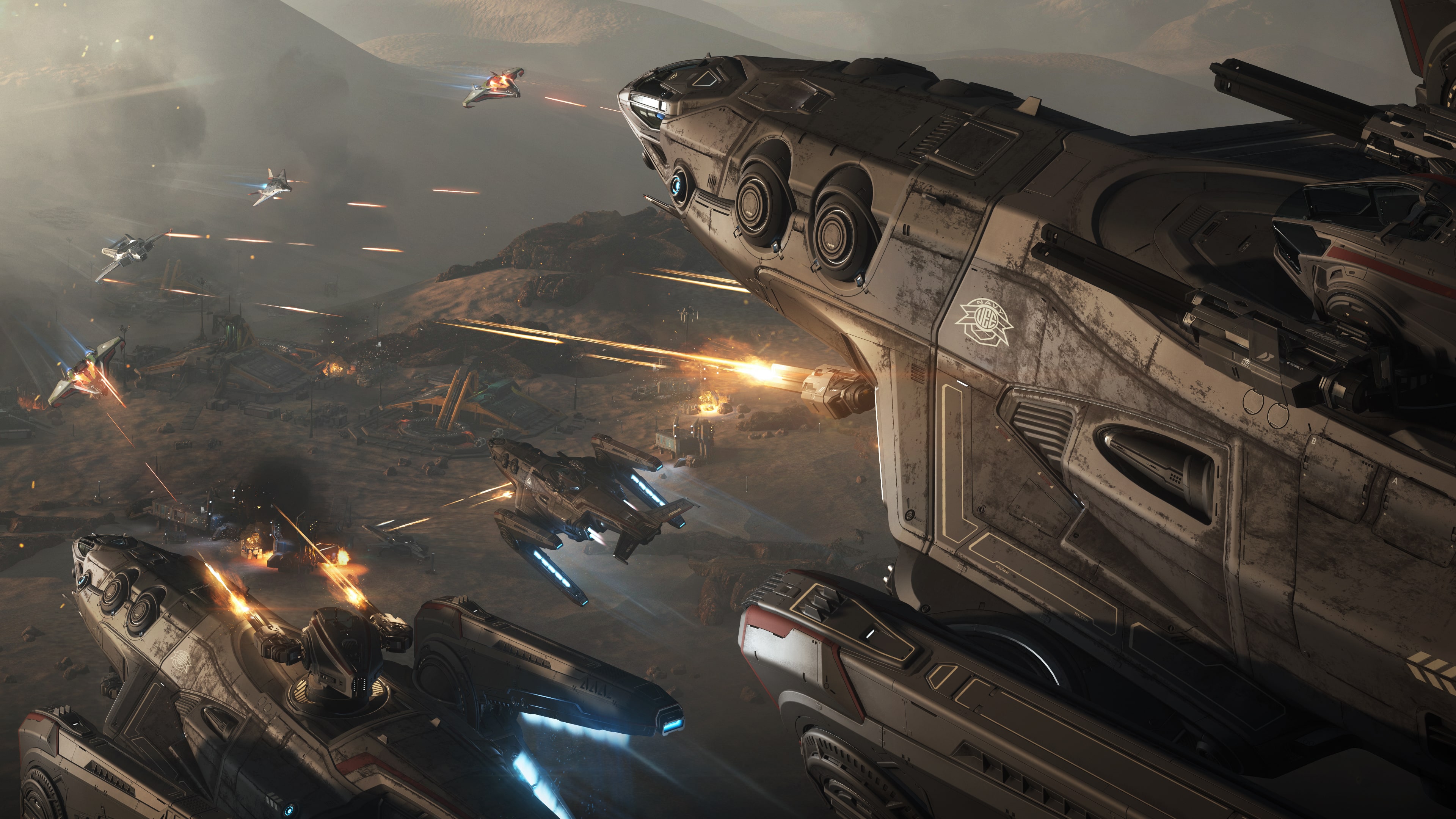
Master combat tactics for Star Citizen organization warfare. Learn fleet formations, engagement strategies, and tactical coordination for winning battles.
When organizations clash in Star Citizen, victory goes to the prepared. Raw firepower matters, but tactics, coordination, and strategy determine the outcome. Here's how to transform your organization into a formidable combat force.
Understanding Combat Fundamentals
Before advanced tactics, master the basics:
Combat Principles:
- Concentration of Force: Focus firepower on priority targets
- Economy of Force: Use minimum resources for secondary objectives
- Maneuver: Position for advantage before engaging
- Surprise: Strike when and where unexpected
- Security: Protect against enemy surprise
- Simplicity: Keep plans clear and executable
Fleet Composition:
- Heavy fighters for sustained combat
- Light fighters for interception and pursuit
- Support ships for repairs and rearming
- Electronic warfare for disruption
- Capital ships for command and firepower
- Logistics for sustained operations
Use SCORG's fleet management to analyze your available assets and plan optimal compositions for different scenarios.
Standard Fleet Formations
Formations provide structure and tactical advantage:
Line Abreast:
- Ships side-by-side in horizontal line
- Maximum forward firepower
- Good for frontal assaults
- Vulnerable to flanking
Echelon:
- Diagonal staggered formation
- Allows mutual support
- Flexible for maneuver
- Balanced offense and defense
Wedge:
- V-shaped formation with point forward
- Concentrates firepower at tip
- Good for breakthrough attacks
- Protects flanks with wings
Box/Square:
- Ships arranged in square pattern
- 360-degree coverage
- Excellent for defense
- Slower to maneuver
Column:
- Ships in single file
- Easy to command and control
- Good for travel and narrow spaces
- Limited firepower forward
Screen:
- Light ships ahead of main force
- Early warning and interception
- Protects capital ships
- Flexible response to threats
Practice formations during training operations and use SCORG's event system to schedule regular tactical drills.
Engagement Tactics
Different situations require different approaches:
Alpha Strike:
- Coordinate simultaneous attack
- Focus all firepower on single target
- Eliminate threats quickly
- Requires excellent timing
Hammer and Anvil:
- Pin enemy with frontal force (anvil)
- Strike from flank or rear (hammer)
- Classic envelopment tactic
- Devastating when executed well
Fighting Withdrawal:
- Retreat while maintaining combat effectiveness
- Leapfrog units for continuous fire
- Preserve force for another engagement
- Requires discipline and coordination
Ambush:
- Hide and wait for enemy
- Strike from concealment
- Maximize surprise advantage
- Quick strike then disengage
Feint and Flank:
- Demonstrate attack in one direction
- Main force strikes from different angle
- Divides enemy attention
- Exploits positional advantage
Swarm Tactics:
- Multiple light ships vs. larger target
- Attack from all angles simultaneously
- Overwhelm defenses through numbers
- High risk but effective against capitals
Target Priority System
Focus fire wins battles:
Priority 1 - Immediate Threats:
- Ships actively engaging your forces
- Electronic warfare platforms
- Ships targeting your capital ships
Priority 2 - Force Multipliers:
- Support ships (repair, rearm)
- Command and control vessels
- Logistics and supply ships
Priority 3 - Combat Ships:
- Heavy fighters and bombers
- Light fighters
- Interdiction vessels
Priority 4 - Non-Combat:
- Cargo ships
- Miners
- Unarmed vessels
Call targets clearly over comms and confirm focus fire. Use SCORG's operation planning tools to brief target priorities before engagements.
Communication in Combat
Clear comms save lives:
Radio Discipline:
- Use callsigns, not names
- Keep transmissions brief
- Confirm critical orders
- Report threats immediately
Standard Calls:
- "Contact bearing XXX" - Enemy spotted
- "Engaging [target]" - Attacking specific enemy
- "Taking fire" - Under attack
- "Winchester" - Out of ammunition
- "Bingo fuel" - Low on fuel
- "RTB" - Returning to base
- "Splash one" - Enemy destroyed
- "Break [direction]" - Emergency evasive maneuver
Combat Channels:
- Command net for leadership
- Tactical net for combat coordination
- Wing nets for small unit coordination
- Emergency net for critical situations
Electronic Warfare and Information
Control the information space:
Scanning and Detection:
- Dedicated scanner ships
- Early warning of enemy approach
- Track enemy movements
- Identify ship types and loadouts
Electronic Countermeasures:
- Jamming enemy sensors
- Spoofing missile locks
- Disrupting communications
- Creating false contacts
Information Sharing:
- Real-time enemy position updates
- Threat assessment and prioritization
- Friendly force tracking
- Tactical picture maintenance
Capital Ship Operations
Large ships require special consideration:
Capital Ship Roles:
- Command and control platform
- Heavy firepower delivery
- Fighter launch and recovery
- Logistics and support hub
- Psychological impact
Protecting Capitals:
- Fighter screen for defense
- Electronic warfare support
- Positioning away from main engagement
- Escape routes planned
- Support ships nearby
Capital Ship Tactics:
- Use range advantage
- Angle armor for maximum protection
- Coordinate with fighter wings
- Focus fire on enemy capitals
- Maintain situational awareness
Training and Readiness
Combat effectiveness requires practice:
Training Program:
- Weekly combat drills
- Formation practice
- Communication exercises
- Tactical scenario training
- Individual skill development
Readiness Levels:
- Immediate response force (always ready)
- Primary combat force (24-hour notice)
- Reserve force (48-hour notice)
- Training units (not combat ready)
After Action Reviews:
- Review every engagement
- Identify what worked and what didn't
- Gather participant feedback
- Document lessons learned
- Implement improvements
Use SCORG's event system to schedule regular training and track combat readiness across your organization.
Logistics and Sustainment
Combat operations require support:
Pre-Combat:
- Fuel and ammunition loaded
- Repairs completed
- Loadouts optimized
- Spare ships available
- Medical supplies stocked
During Combat:
- Resupply and rearm operations
- Field repairs
- Casualty evacuation
- Ship replacement
- Ammunition management
Post-Combat:
- Damage assessment
- Repair priorities
- Replacement procurement
- Resupply operations
- Readiness restoration
Conclusion
Combat excellence comes from preparation, practice, and execution. By mastering formations, tactics, communication, and logistics, your organization can dominate the battlefield and achieve your strategic objectives.
Remember: the best battle is the one you don't have to fight. But when combat is inevitable, be the most prepared, coordinated, and lethal force in the verse.